Cartridges Manufacturing Packaging Handhelds B2B Solutions Blog About Request Quote

Why Quality Standards Matter

The retro gaming community has been burned by decades of low-quality reproductions: cartridges that crash, saves that vanish, consoles that get damaged by voltage mismatches. Our quality standards exist to solve these problems at the engineering level — not just at the inspection checkpoint.

PCB Engineering Standards

Gold-Plated Edge Connectors

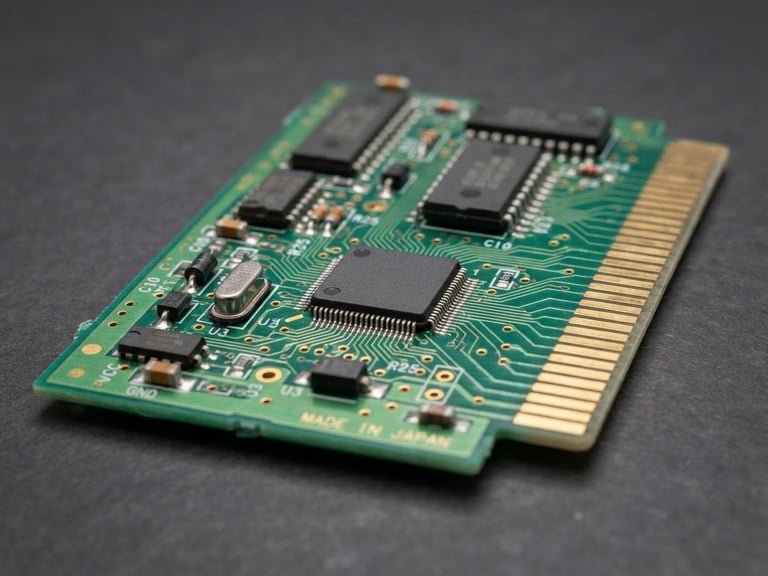
All our cartridge PCBs feature ENIG (Electroless Nickel Immersion Gold) finish on edge connectors — the same specification used on original OEM cartridges. This ensures:

  • Corrosion resistance for 10,000+ insertion cycles
  • Reliable electrical contact with aging console connectors
  • No oxidation during long-term storage

Cheap reproductions often use HASL (Hot Air Solder Leveling) finish, which is uneven, oxidizes faster, and can damage console pins over time.

Beveled Edge Geometry

Our cartridge edges are beveled to OEM specifications, allowing smooth insertion without stressing the console cartridge slot. Non-beveled boards force insertion and gradually bend contact pins.

Voltage Level Shifting (3.3V → 5V)

Retro consoles (NES, SNES, Genesis, Game Boy) use 5V TTL logic. Modern flash memory uses 3.3V. Every RetroForge cartridge includes a proper voltage level shifter between the flash chip and the console bus.

This is not optional. Cartridges that directly connect 3.3V flash to a 5V bus cause:

  • Intermittent crashes and graphical corruption
  • Accelerated wear on console cartridge slot pins
  • Long-term damage to console voltage regulators
  • Save data corruption from unstable power delivery

The level shifter adds approximately $0.15–$0.30 per cartridge to BOM cost. Manufacturers who skip this component are cutting corners at your console’s expense.

Component Sourcing

Flash Memory

We source flash ICs exclusively from authorized distribution channels with full lot traceability. Counterfeit or recycled flash chips — the #1 cause of dead-on-arrival cartridges in this industry — are eliminated at incoming inspection.

Save Battery

For cartridges requiring battery-backed saves, we use name-brand CR1616/CR2025 cells (Panasonic, Sony, Murata) with documented shelf life. Budget manufacturers often use no-name cells that leak or fail within months.

Cartridge Shells

Our injection-molded shells use ABS plastic at OEM-grade thickness (1.5–2.0mm wall). Shell color is consistent within a production batch, and screw posts are reinforced to prevent stripping during assembly.

Three-Stage Quality Control

1. Incoming Material Inspection (IQC)

  • PCB bare board visual inspection: etching defects, solder mask integrity, panelization
  • IC lot verification and dating — counterfeit flash detection
  • Passive component and connector contact quality check
  • Shell dimensional check and color consistency

2. In-Process QC (IPQC)

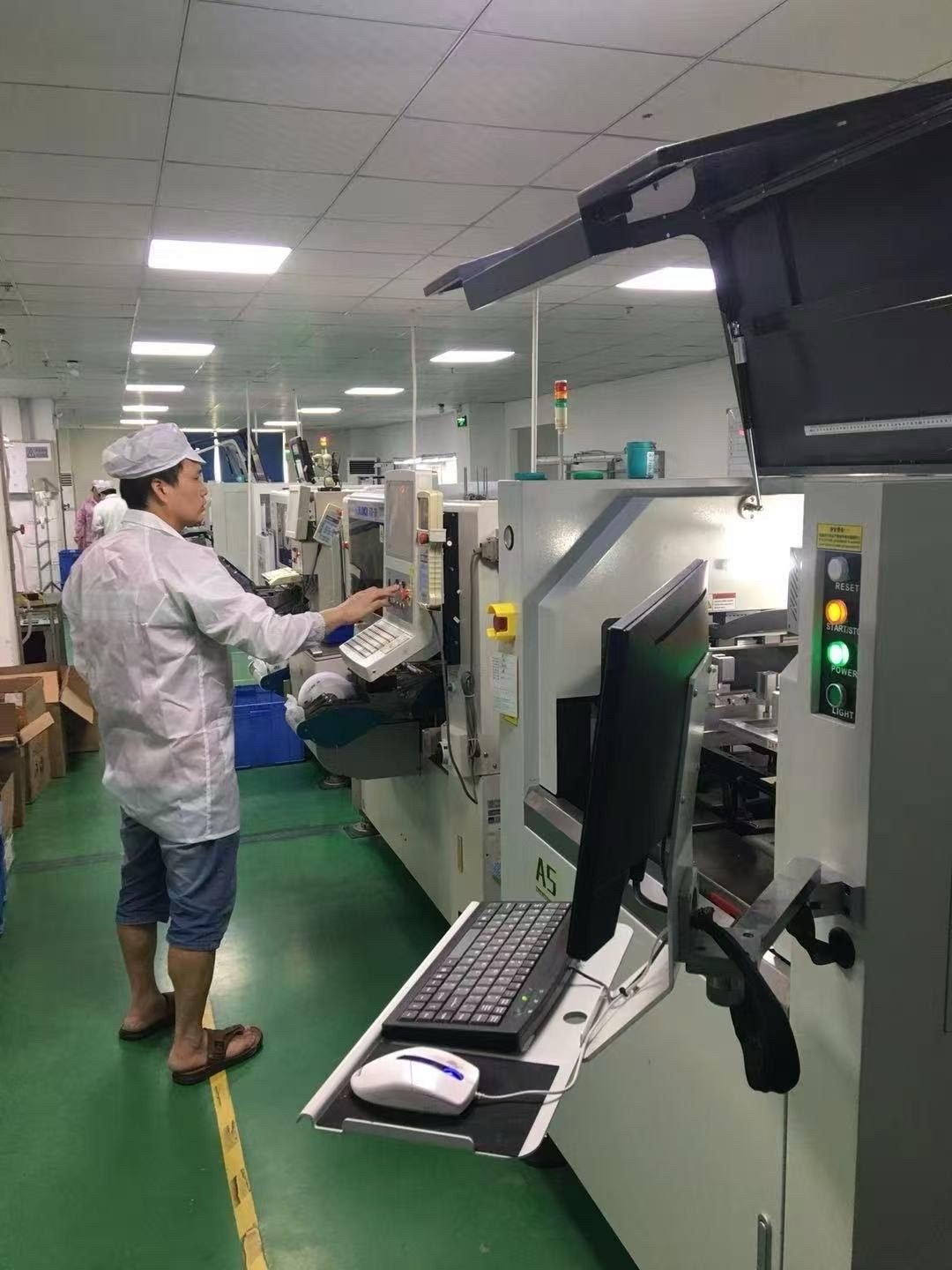
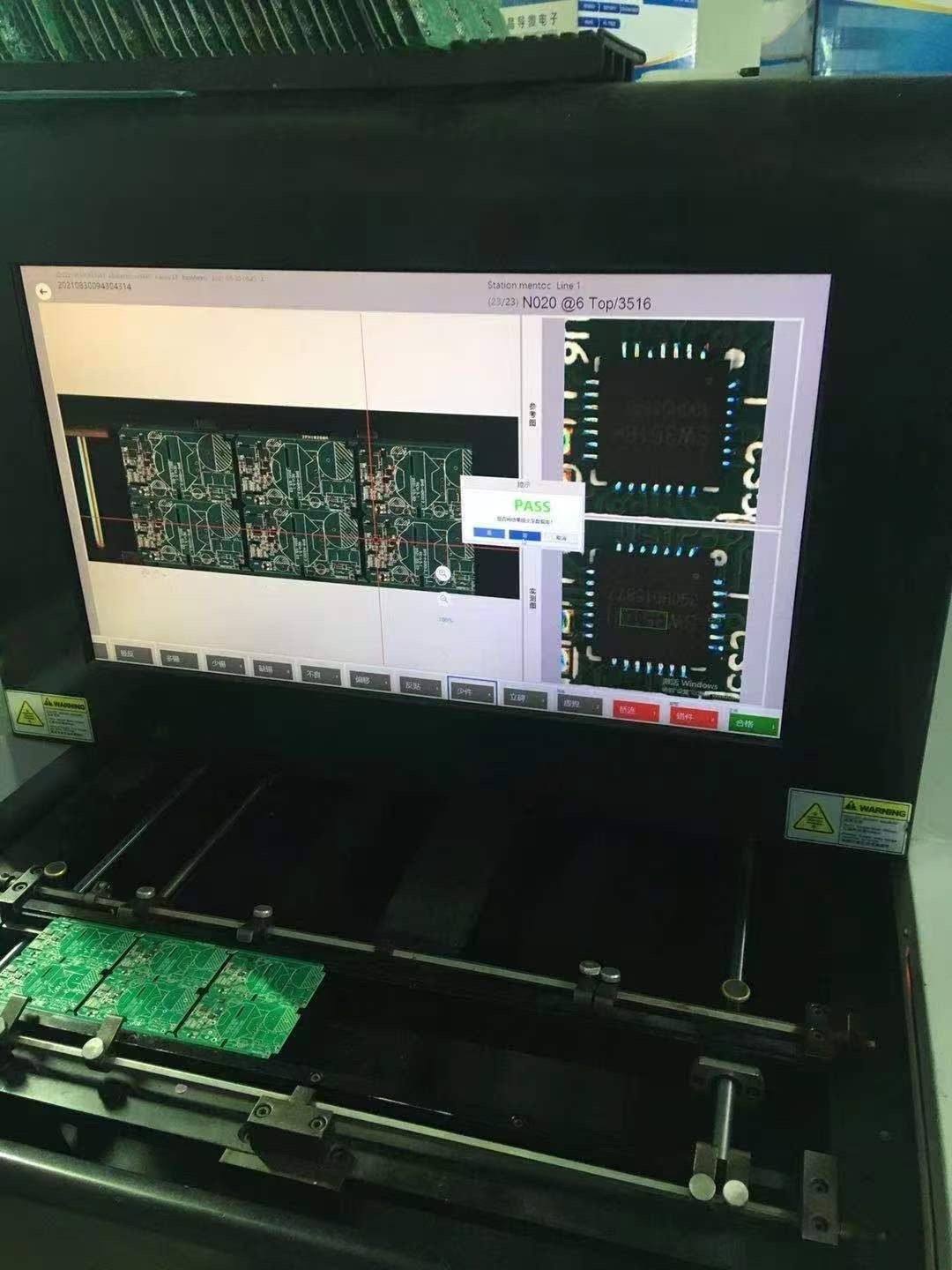
  • Solder joint inspection post-reflow (visual or AOI depending on volume)
  • Program-then-verify flashing: every chip is read back after programming and compared against source ROM
  • First-article dimensional check: shell fit, label alignment, component placement
  • Voltage level shifter continuity verification

3. Pre-Shipment Inspection (FQC/OQC)

  • 100% functional test on real hardware — power-on, boot, gameplay probe, save/write test
  • Edge connector continuity check
  • Final cosmetic pass: labels aligned, shells clean, packaging correct
  • Packing verification against your packing spec

Defect Rate Transparency

For properly assembled cartridges with verified programming and 100% functional test, post-shipment defect rates should sit well under 1%. We track and document our defect rate per order, and this data is available to qualified buyers on request.

If a supplier cannot tell you their historical defect rate, they are not measuring it — and you will be their measurement system.

Warranty

Every order carries a 12-month warranty against manufacturing defects. Defect claims with photo/video evidence are processed within 14 days, with remedies including repair, replacement, or credit. See our Terms of Service for full details.

QC Documentation Available

For every order, we can provide on request:

  • IQC inspection report with component lot numbers
  • Flashing verification logs
  • Pre-shipment functional test results
  • Photo/video documentation of the QC process
  • Defect rate summary for your production run

Factory Verification

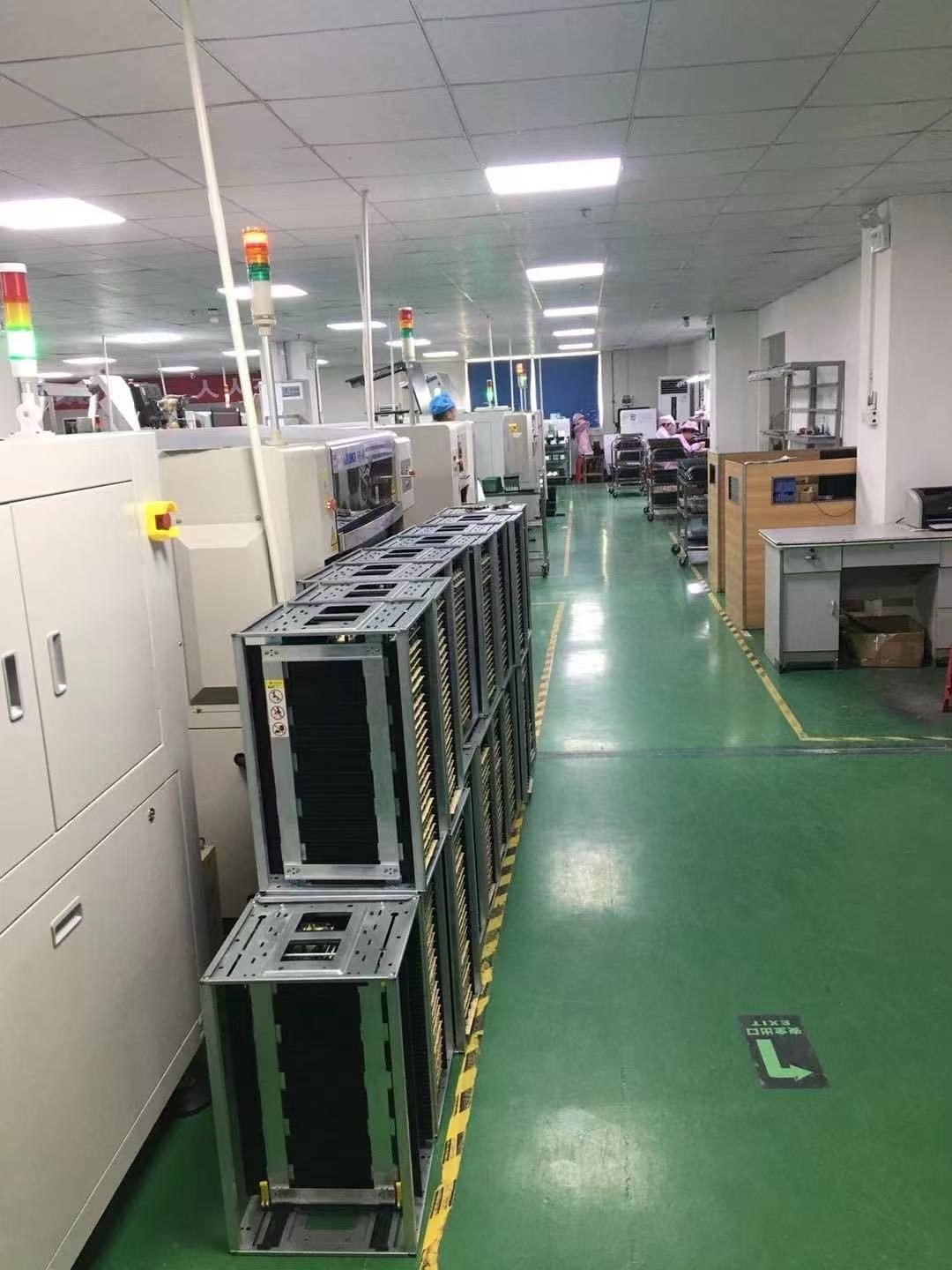
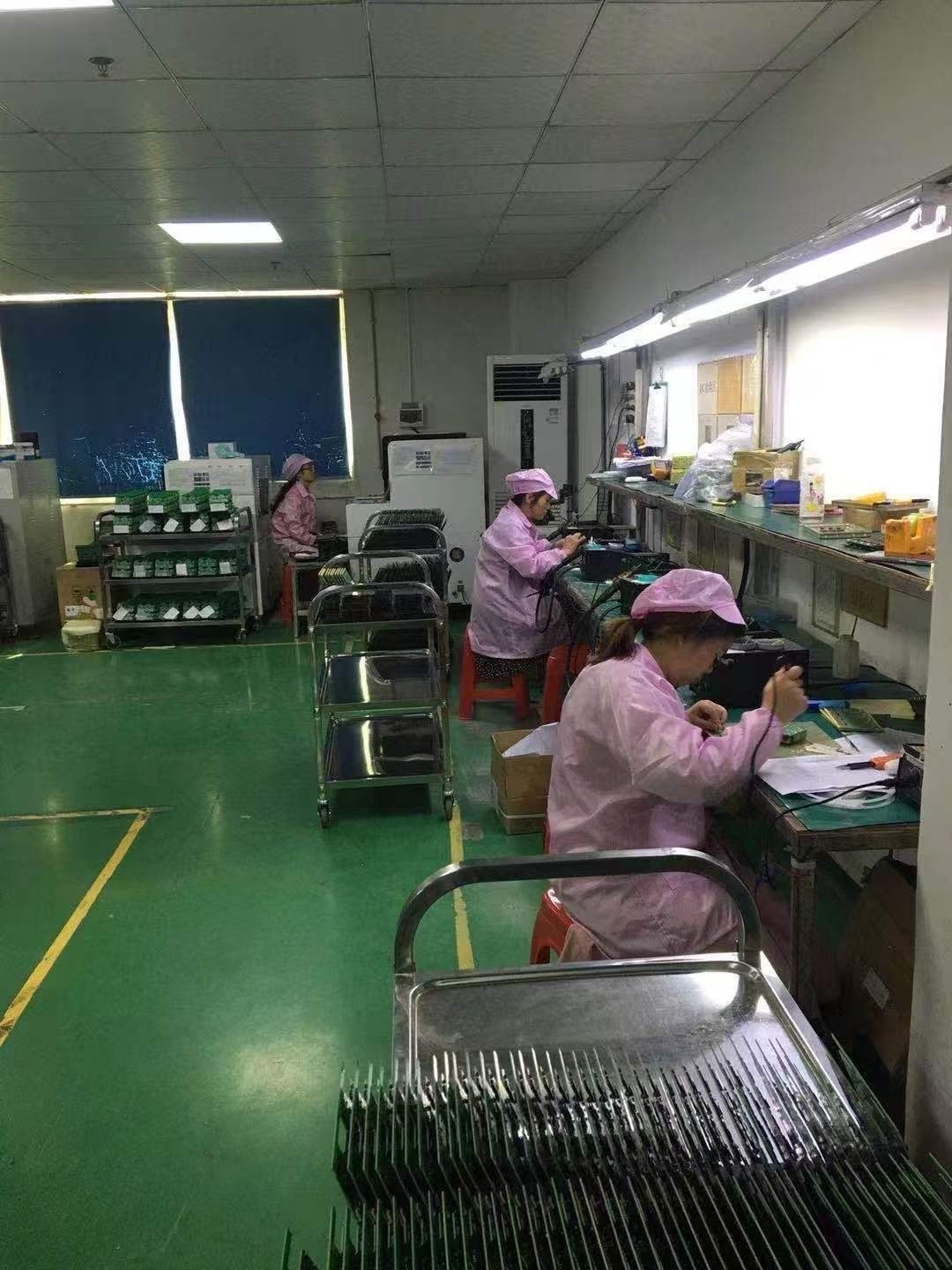
Our production facility is located in Shenzhen, Guangdong, China. We welcome:

  • Video calls to inspect the production floor
  • Third-party QC inspections (SGS, Intertek, Bureau Veritas)
  • Factory audit visits for qualified buyers
  • Factory tour photos available online

Demand Documented Quality

Get a quote with full QC documentation. MOQ from 50 units.

Request a Quote
Chat with us on WhatsApp